

Top 10 Features to Look For When Buying a Telehandler
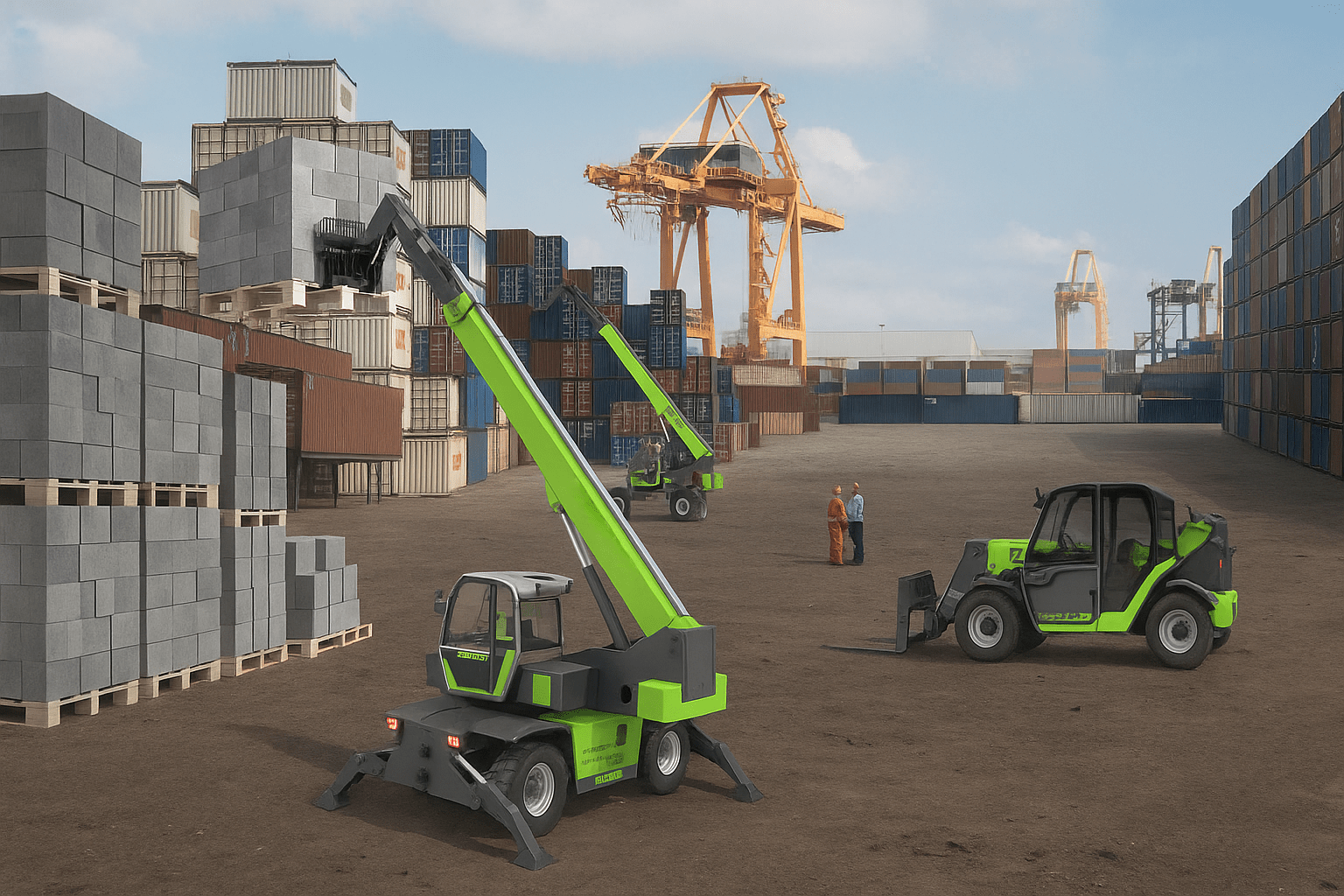
A telehandler is one of the most versatile lifting machines used across construction, agriculture, warehousing, and industrial sectors. Selecting the right telehandler ensures safer operations, higher productivity, and reduced long-term costs. Because no two job sites are the same, understanding which features matter most can help buyers choose the ideal model for their requirements. This guide explains the top 10 features every buyer should evaluate before making a purchase. By the end, you’ll have a clear roadmap to identify the perfect telehandler.
Understand Your Job Requirements
Assessing the Type of Work
Before selecting a telehandler, it’s important to analyse the nature of your tasks whether it involves lifting pallets, moving materials, stacking loads, or reaching elevated areas. Different jobs require different boom lengths, capacities and attachments. Understanding your operational needs helps you choose a machine that performs efficiently without over-specifying. A well-selected telehandler reduces operational strain and boosts productivity. This first step ensures you invest in equipment tailored to your environment.
Industry-Specific Needs
Every industry uses telehandlers differently construction requires height and power, agriculture needs versatility and mobility, while warehousing demands precision and compact design. Choosing a telehandler based on industry-specific requirements ensures optimized performance. It also improves safety and minimises machine wear and tear. Matching the equipment to the industry ensures better ROI and smoother daily operations. This step prevents costly mismatches between machine capabilities and job expectations.
Lifting Capacity
Why Lifting Capacity Matters
The lifting capacity determines how much weight the telehandler can safely handle at different boom positions. Choosing a model with insufficient capacity can compromise safety and slow down workflow. Overloading risks machine instability and potential equipment damage. A suitable capacity range ensures the telehandler operates within safe limits even under heavy-duty tasks. Correct capacity selection increases reliability and reduces operational risks.
Matching Capacity to Workload
Evaluating the heaviest loads on your job site helps you choose a telehandler that performs consistently. Selecting a machine with slightly higher capacity than your maximum needs is ideal. This buffer prevents strain on the equipment and prolongs its lifespan. Matching workload to lifting power improves job speed and reduces the number of trips required. A balanced capacity ensures both efficiency and durability.
Maximum Lift Height & Reach
Vertical Reach
Vertical reach defines how high the boom can lift loads, crucial for multi-story work and construction tasks. Projects involving scaffolding, roofing, or elevated platforms require machines with significant height. Choosing the correct vertical reach ensures safe material placement at high levels. It minimises manual handling risks and improves workflow efficiency. A suitable height allows operators to complete jobs quickly and safely.
Horizontal Reach
Horizontal reach helps operators extend the boom across obstacles like slopes, trenches, or barriers. In agriculture, it allows loading from one side of a trailer in construction it assists in placing materials precisely. A longer reach increases job versatility and reduces repositioning time. Correct reach selection supports safer handling on uneven terrain. This leads to faster project execution and improved operator convenience.
Engine Power & Performance
Horsepower & Torque
Higher horsepower and torque ensure the telehandler performs smoothly during demanding lifting tasks. It becomes especially vital on rough terrains or when handling heavy loads. Adequate power ensures consistent lifting cycles and faster job completion. It reduces strain on machine components, extending equipment life. A strong engine improves climbing ability and overall operational efficiency.
Fuel Efficiency
Fuel-efficient telehandlers significantly reduce operating costs, especially for long working hours. Advanced engines optimize performance while minimizing fuel usage. Lower fuel consumption means fewer breaks for refueling and better time savings. It also reduces environmental impact, aligning with modern sustainability standards. Choosing fuel-efficient machines delivers long-term financial benefits without compromising power.
Stability & Safety Systems
Stability Features
Stability is a critical safety aspect for telehandler operation. Features like stabilizers, outriggers, and reinforced chassis designs keep the machine balanced during heavy lifting. These components reduce the risk of tipping, especially at full boom extension. High-quality stability systems protect both operators and materials. This ensures reliable performance even under challenging conditions like uneven ground.
Safety Technology
Modern telehandlers come equipped with load management systems, sensors, alarms, and stability indicators. These technologies help operators monitor safe lifting parameters in real time. Alerts prevent overloading and warn against unsafe boom positions. Safety technology reduces human error and enhances workplace safety. Investing in advanced safety features ensures compliance with regulations and improves operational confidence.
Maneuverability
Steering Modes
Telehandlers with multiple steering modes 2-wheel, 4-wheel, and crab steering offer maximum flexibility. These modes improve navigation in tight spaces or complex sites. 4-wheel steering enhances mobility on rough terrain, while crab steering helps in sideways movement. Flexible steering reduces operational time and improves precision. Good maneuverability is essential for busy and confined sites.
Turning Radius
A smaller turning radius allows the telehandler to operate efficiently in limited spaces such as warehouses or congested construction sites. Improved turning ability reduces repositioning and speeds up tasks. It enhances operator control and minimizes accidental collisions. Machines with tight turning capability are ideal for urban or indoor environments. Choosing the right turning radius boosts overall productivity.
Attachment Compatibility
Versatility of Attachments
Telehandlers support various attachments like forks, buckets, grapples, and jibs. These attachments transform the machine into a multi-purpose tool. Choosing a telehandler compatible with diverse attachments increases job flexibility. It reduces the need for multiple machines and saves costs. Versatility ensures the telehandler remains useful for various tasks year-round.
Quick Coupler Systems
A quick coupler system allows operators to switch attachments quickly and safely. This improves workflow and reduces downtime between tasks. It enhances productivity for teams working in fast-paced environments. Quick couplers ensure secure attachment locking, improving safety. They provide convenience and operational efficiency.
Build Quality & Durability
Frame & Components
A strong frame and durable components ensure the telehandler withstands heavy use and harsh environments. Heavy-duty construction increases the machine’s longevity and reduces maintenance costs. Reinforced booms, robust axles, and premium materials contribute to long-term reliability. Choosing a well-built machine ensures consistent performance on demanding projects. Quality build lowers the risk of breakdowns.
Weather & Environment Resistance
A telehandler must perform reliably in various weather conditions like rain, dust, heat, or cold. Weather-resistant features protect the engine, hydraulics, and electrical systems. Corrosion-resistant materials extend the equipment’s lifespan. Machines designed for harsh environments maintain peak performance year-round. This improves safety and reduces unexpected repair costs.
Operator Comfort & Visibility
Cabin Ergonomics
Comfortable operator cabins improve focus, reduce fatigue, and enhance productivity. Features like adjustable seating, intuitive controls, and vibration reduction improve work quality. A well-designed cabin supports long working hours without discomfort. Ergonomics also reduce strain injuries and enhance safety. Operators perform better when they are physically comfortable.
Visibility for Safety
Clear visibility of the forks, boom, and surrounding area is essential for safe operation. Large windows, elevated seating, and strategically placed mirrors improve operator awareness. Better visibility reduces blind spots and minimizes accidents. It also enhances precision when placing loads at height. This feature is crucial on busy job sites.
Maintenance & Serviceability
Ease of Maintenance
Telehandlers with easy access to the engine, filters, and inspection points reduce downtime. Quick daily checks ensure better performance and extended machine life. Good design simplifies repairs and increases service efficiency. Easy maintenance lowers operational costs over time. It ensures the telehandler stays productive and reliable.
Availability of Parts & Support
Choosing a brand with readily available parts and service support ensures timely repairs. Reliable after-sales support reduces downtime and prevents project delays. Access to certified technicians improves machine care. Availability of parts ensures long-term usability of the equipment. This makes the purchase more valuable in the long run.
Technology & Smart Features
Telematics
Telehandlers with telematics offer real-time monitoring of machine performance, location, fuel usage, and diagnostics. This technology improves maintenance scheduling and reduces repair costs. It supports fleet management for large operations. Telematics enhances accountability and efficiency. It brings modern intelligence to heavy equipment management.
Automation & Assistance Features
Automation features include load indicators, guided operating modes, and safety alerts. These systems improve precision and make operation safer for less experienced personnel. They reduce human error and optimize machine performance. Smart assistance enhances productivity and consistency. It ensures that even complex tasks become easier and safer.
Price & Value for Money
Initial Cost vs Long-Term Value
While cheaper machines may seem appealing, long-term value matters more. High-quality telehandlers reduce repair costs and offer better performance over years. They retain value better and deliver superior reliability. Considering lifetime value gives a clearer picture of actual investment cost. Smart buyers focus on durability, support, and efficiency.
Comparing Brands & Models
Evaluating multiple brands helps you understand differences in durability, features, and after-sales services. Comparing specifications ensures you're purchasing the best machine for your workload. Assessing warranties and support strengthens decision-making. A thorough comparison prevents costly mistakes. It ensures your investment delivers long-term returns.
Why Choose FERAQuip?
FERAQuip is a trusted supplier known for providing premium-quality telehandlers, machinery solutions, and heavy equipment across Australia. The company focuses on offering reliable, durable, and high-performance machines that meet the diverse needs of construction, agriculture, and industrial clients. FERAQuip’s telehandlers come with advanced features, strong build quality, and excellent safety systems to ensure maximum efficiency and operator protection. They also provide exceptional customer support, ensuring quick access to parts, servicing, and expert guidance. When buying a telehandler, choosing Feraquip guarantees value, reliability, and long-term performance.
Conclusion
Choosing the right telehandler is essential for ensuring safe, efficient, and cost-effective operations across construction, agriculture, warehousing, and industrial sectors. By focusing on key features such as lifting capacity, reach, engine performance, maneuverability, attachments, and safety systems, buyers can select a machine that delivers long-term value and reliable performance. Understanding your job requirements and comparing different brands also helps you avoid unnecessary costs and downtime. Investing in a high-quality telehandler improves productivity, enhances operator safety, and ensures smooth workflow on every job site. With trusted providers like FERAQuip, you gain access to durable equipment, expert guidance, and strong after-sales support making your telehandler investment smarter, safer, and more profitable.